
Eco-Friendly Solutions for Common Household Pests
Household pests can disrupt your sense of comfort and trigger health concerns, yet many chemical solutions leave you and your environment at risk. Instead, an increasing number of homeowners are seeking sustainable, natural methods to deter pests. Improving your home’s pest defenses not only benefits your family, but it also helps protect local ecosystems. If you’re in need of professional assistance, consider a Weston wildlife exterminator for quick and humane removal of persistent wildlife infestations.
Eco-friendly pest solutions are highly effective and can be customized to your specific pest issues, whether you struggle with ants in the kitchen or mosquitoes in the yard. The following guide explores practical steps using natural ingredients, preventive strategies, and time-tested home maintenance tips to keep critters at bay. These eco-conscious approaches protect your health and keep common pests outside, where they belong.
By switching to greener pest management, you support a safer home environment and help preserve beneficial insects and wildlife. Small changes in your routine can make a significant impact. Read on for simple, science-backed methods that keep households pest-free all year long.
Remember, creating an inhospitable environment for pests often means making small but powerful changes, such as properly storing food and maintaining a cleaner home. These techniques minimize pest attraction and help prevent major infestations without resorting to harsh chemicals.
Contents
Preventive Measures
Effective pest control begins with prevention. Closing off potential entry points keeps many problems at bay before they start. Inspect your home for cracks and gaps, focusing on baseboards, window frames, doorways, and plumbing fixtures. Sealing these access points with weather stripping or caulk makes your home less inviting to insects and rodents. It is also important to keep food stored in tightly sealed containers and clean up crumbs or spills quickly. A well-organized pantry and regular kitchen maintenance minimize the scent trails that attract ants, roaches, and mice.
Dispose of overripe fruits regularly, avoid leaving pet food out overnight, and keep recycling bins clean. These habits break the pest cycle by removing key food and water sources, especially during the warmer months when infestations peak. Additionally, fixing leaky pipes and faucets prevents water accumulation, which many pests need to survive.
Natural Repellents
Natural deterrents offer effective and safe alternatives to synthetic pesticides. Many essential oils, such as peppermint, citronella, and lavender, are well-known for their pest-repelling properties. Try soaking cotton balls in your chosen oil and placing them near entry points, under sinks, or along baseboards. The strong scents are unpleasant to a range of pests, including ants, spiders, and mosquitoes.
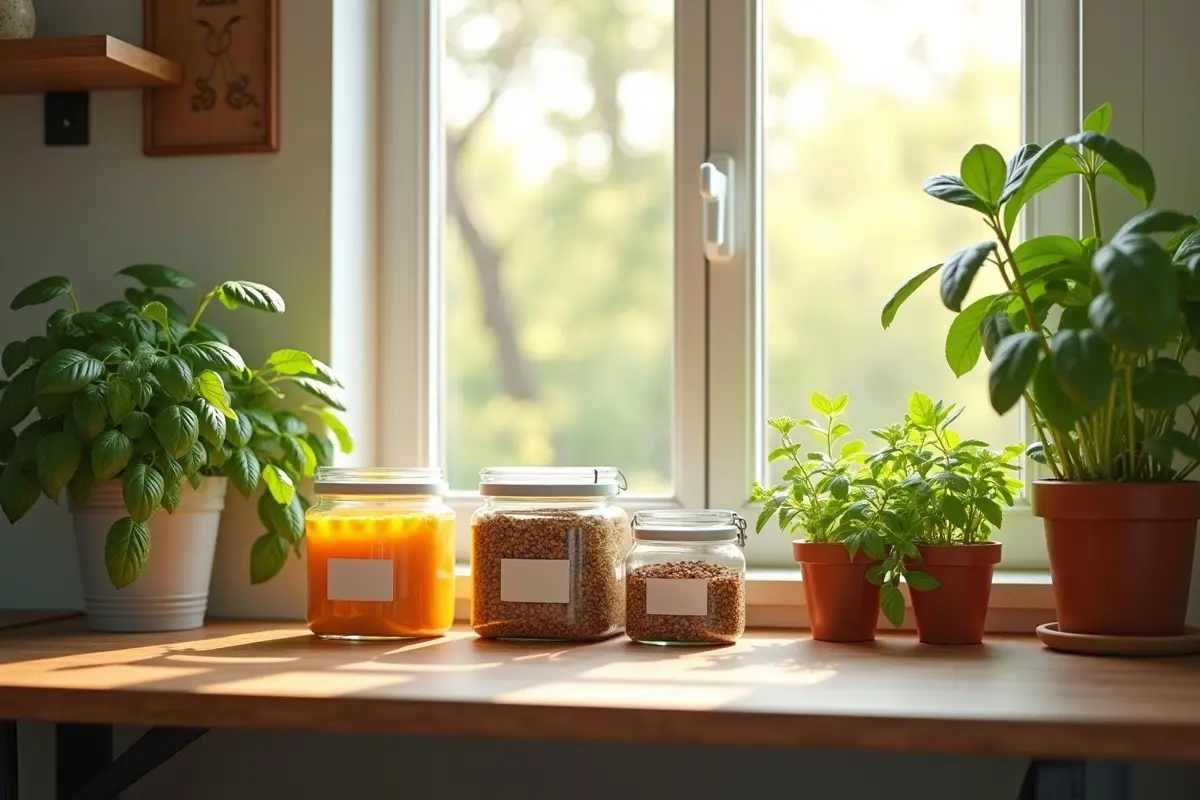
Plants like citronella, marigold, basil, and lavender around your windows, doors, and patios can further boost your defenses and beautify your outdoor space. These natural solutions offer a first line of defense while minimizing the environmental impact. According to the Environmental Protection Agency (EPA), natural repellents and integrated pest management are core components of safe and sustainable pest control.
DIY Pest Control Solutions
If pests persist, homemade remedies can offer an affordable, chemical-free solution. A popular spray combines equal parts water and white vinegar to clean surfaces and deter ants, fruit flies, and some spiders. For crawling insects like roaches and ants, sprinkling diatomaceous earth, a natural, non-toxic mineral powder, around problem areas disrupts their movement and dehydrates them.
Baking soda paired with powdered sugar works well against cockroaches, drawing them in with the sweet scent and disrupting their digestive system upon consumption. Simple traps using apple cider vinegar in a shallow dish can capture bothersome fruit flies.
Beneficial Insects
Supporting natural predators is an eco-friendly way to control pest populations in the garden. Ladybugs, lacewings, and praying mantises thrive when you cultivate diverse plantings and minimize chemical pesticide use. These insects feed on mites, aphids, and other common pests, keeping numbers in check without human intervention.
Attracting Helpful Insects
Planting flowers such as marigolds, daisies, dill, and yarrow attracts beneficial insects. Reducing chemical use allows these natural pest controllers to settle in and establish a healthy, balanced ecosystem in your yard.
Physical Barriers
Sometimes the simplest solutions are the most effective. Installing mesh screens on windows and doors is an excellent way to keep flying insects out while allowing air to circulate. In gardens, row covers and netting shield vegetables from birds, caterpillars, and beetles. Door sweeps and weatherstripping around entryways block gaps that rodents and crawling pests might exploit.
Regularly inspecting and maintaining these barriers, especially after severe weather, ensures they remain effective through every season.
Maintaining a Clean Home
Maintaining a simple cleaning routine has a substantial impact on pest prevention. Vacuuming carpets and upholstery, wiping surfaces, and taking out trash frequently reduces food and moisture sources that pests seek out. Use airtight containers for leftovers and clear away dishes after meals. Clutter-free spaces and timely laundry make it harder for pests to find harborage.
Humidity control is equally important, especially in basements, bathrooms, and kitchens. Using a dehumidifier and promptly addressing condensation creates a less inviting environment for silverfish, mold mites, and other moisture-loving pests.
Final Thoughts
Eco-friendly pest control does not have to involve sacrifice or inconvenience. With proper preventive measures, natural deterrents, homemade remedies, and support for beneficial insects, you can keep pests away without risking your health or harming the environment. Regular maintenance and a vigilant eye are the keys to maintaining an inviting, sustainable, pest-free home.