
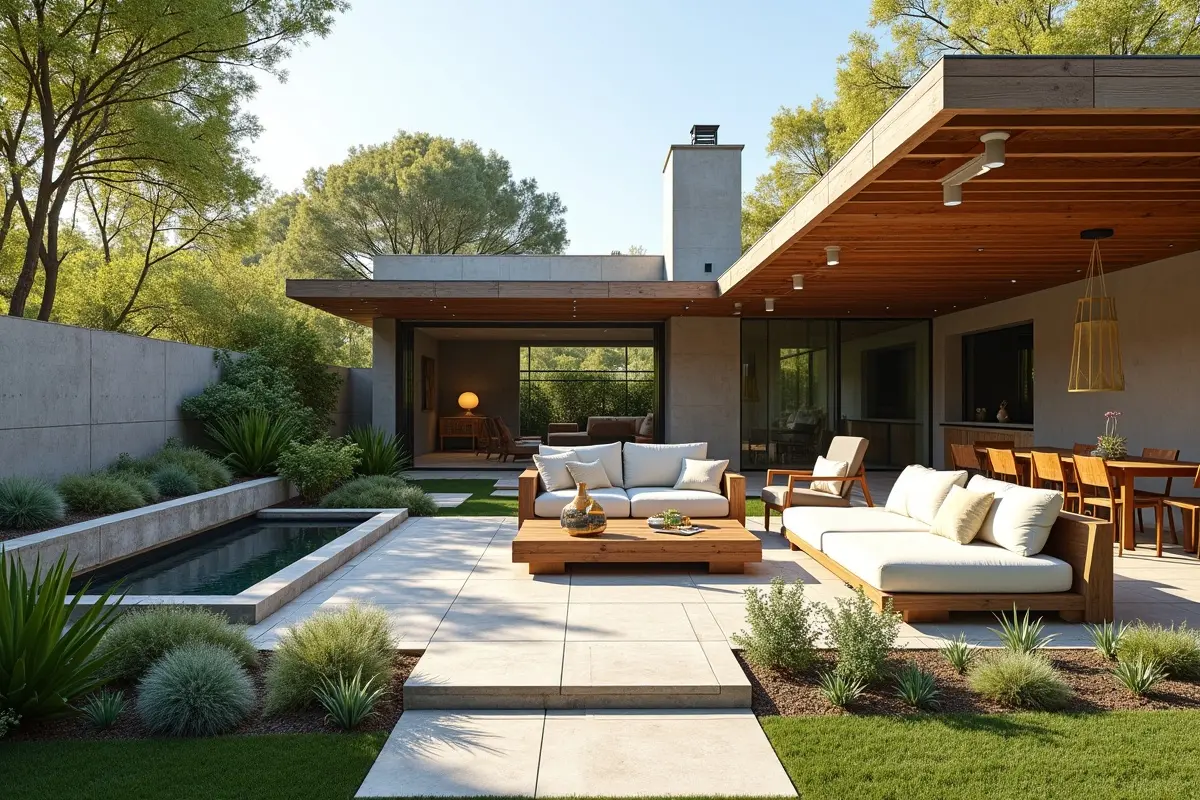
Sustainable Landscape Design Trends for Modern Outdoor Spaces
Creating outdoor spaces that are both beautiful and environmentally responsible has become a central focus for homeowners and designers alike. Sustainable landscape design emphasizes the careful selection of plants, materials, and layouts that reduce environmental impact while enhancing functionality and aesthetic appeal.
From drought-tolerant planting to energy-efficient lighting, modern landscape design strategies aim to create spaces that are not only visually appealing but also supportive of local ecosystems. This approach encourages a harmonious balance between human activity and nature, ensuring that outdoor areas remain vibrant and resilient over time.
Incorporating sustainable practices into landscape design goes beyond aesthetics; it also promotes long-term efficiency and resource conservation. Techniques such as rainwater harvesting, native plant selection, and soil health management help reduce maintenance needs while fostering biodiversity. As trends in sustainable landscape design continue to evolve, modern outdoor spaces are increasingly reflecting a thoughtful, eco-conscious approach that benefits both homeowners and the environment.
Contents
Native and Drought-Tolerant Planting
One of the most effective methods for sustainable landscaping is using native and drought-tolerant plants. Native varieties are adapted to your local climate, needing less maintenance and water than exotic plants. This selection helps maintain regional ecosystems and provides essential habitats for local wildlife. Not only do these plants thrive with fewer inputs, but they also reduce the need for fertilizers and pesticides. Native plants play a crucial role in supporting birds, butterflies, and beneficial insects. Examples include coneflowers, black-eyed Susans, and region-specific grasses or shrubs.
Efficient Water Management
Efficient water management has become a cornerstone of sustainable outdoor spaces, particularly as climate patterns shift and water resources grow scarcer. Integrating thoughtful irrigation systems, such as drip lines and smart controllers, allows landscapes to thrive while minimizing water waste. Proper soil preparation, mulching, and the selection of drought-tolerant or native plants further enhance a garden’s natural ability to retain moisture.
Landscape design services play a key role in planning these systems, ensuring that water is used strategically across lawns, gardens, and hardscape areas without compromising aesthetics or functionality. By combining careful planning with sustainable techniques, modern outdoor spaces can maintain their beauty and vitality while conserving water, supporting both environmental stewardship and long-term cost efficiency for property owners.
Use of Eco-Friendly Materials
The materials used in your landscape can significantly affect its environmental impact. Reclaimed wood, recycled stone, and composite decking not only provide distinctive visual appeal but also lessen the demand on raw resources. Sourcing materials locally further decreases the carbon footprint associated with transportation.
These choices contribute to a cohesive design that reflects both a commitment to style and sustainability. Homeowners are increasingly choosing hardscape products such as recycled pavers and sustainable fencing to highlight their eco-conscious values.
Promoting Biodiversity
Biodiverse landscapes create rich habitats that benefit pollinators, birds, and beneficial insects. Layering plant types, such as ground covers, shrubs, and canopy trees, creates a thriving ecosystem where multiple species can coexist. Incorporating plants that bloom at different times of year ensures a continuous food source for pollinators and helps stabilize local wildlife populations.
Integration of Smart Technology
Smart technology is increasingly being integrated into landscape design for its efficiency and ease of use. Automated irrigation controls, outdoor lighting, and app-connected maintenance systems all help reduce resource consumption and keep landscapes at their best with minimal manual intervention. These technologies can prevent overwatering, monitor plant health, and adjust energy use, leading to cost savings and further resource conservation over time.
Edible Landscaping
Edible landscaping merges beauty with utility by incorporating fruit trees, herbs, and vegetable beds into ornamental areas. This approach supports sustainable living by reducing food miles and offering fresh, homegrown produce. It also encourages seasonal planting and provides educational opportunities for families and communities. Carefully integrated edible elements can be attractive and functional, contributing diverse shapes, colors, and scents to the garden environment.
Multi-Functional Outdoor Spaces
Modern outdoor spaces are designed to serve multiple purposes, from relaxing retreats to productive garden workspaces. Features like outdoor kitchens, reading nooks, fire pits, and flexible seating adapt to changing seasons and needs. These spaces often blend seamlessly with surrounding landscapes, encouraging more time outdoors and supporting mental and physical well-being. Thoughtful layouts can transform even a small yard into a vibrant destination for relaxation and entertainment.
Climate-Resilient Designs
Climate-resilient landscaping addresses the challenges of extreme weather by utilizing plants and strategies tailored to local environmental conditions. Drought-resistant plantings, deep-rooted species, and efficient grading can help landscapes adapt to heavy rainfall or dry spells. Effective stormwater management, such as bioswales and rain gardens, prevents erosion and flooding while replenishing groundwater. By planning for climate fluctuations, sustainable landscapes remain beautiful and functional for years to come.
Conclusion
Incorporating sustainable landscape design trends can lead to a beautiful, low-impact outdoor space that supports the local environment and provides enjoyment for years. By following these principles, anyone can help create thriving, resilient environments that benefit both people and the planet.