
Exploring Tucson, Arizona: A Comprehensive Guide to Community, Lifestyle, and Real Estate
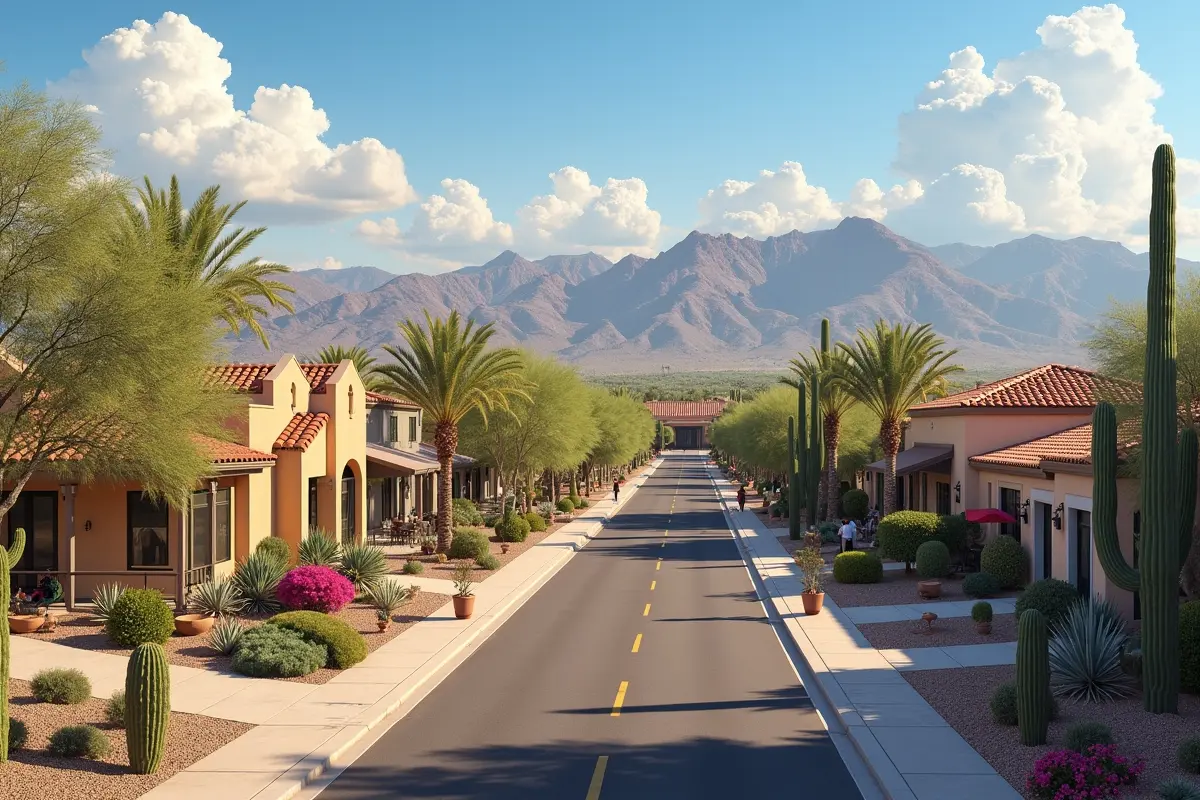
Nestled in the heart of the Sonoran Desert, Tucson, Arizona, offers a unique blend of natural beauty, cultural richness, and a dynamic real estate market. Whether you’re considering a move or simply curious about life in this vibrant city, understanding the community, lifestyle, and current housing trends is essential.
For personalized assistance in navigating Tucson’s real estate landscape, consider reaching out to Tucson AZ real estate agents The Alder Group. Led by Allie Pastore, The Alder Group specializes in luxury real estate across Tucson, including areas like Oro Valley and Catalina Foothills, providing bespoke solutions tailored to each client’s needs.
Community and Lifestyle
Tucson boasts a diverse population of over 540,000 residents, creating a melting pot of cultures and traditions. The city’s rich history is reflected in its architecture, festivals, and culinary scene. Notably, Tucson was the first city in the U.S. to earn the designation of World City of Gastronomy by UNESCO, highlighting its exceptional food culture.
Residents enjoy an average of 350 days of sunshine annually, making it one of the sunniest cities in the country. This favorable climate encourages outdoor activities such as hiking in the Catalina Foothills, exploring the Saguaro National Park, and stargazing, thanks to the city’s “dark sky” regulations aimed at reducing light pollution.
Tucson’s downtown area has witnessed significant revitalization over the past decade, further adding to the city’s appeal. A lively arts district, boutique shops, experimental restaurants, and microbreweries create a vibrant metropolitan center that feels both historic and modern. Residents enjoy frequent community events, including the Tucson Gem and Mineral Show, Fourth Avenue Street Fair, and All Souls Procession, which reflect the city’s creative spirit and multicultural heritage.
Cost of Living
When considering a move to Tucson, it’s important to evaluate the cost of living. As of April 2026, the typical home value in Tucson is $342,604. With a 20% down payment, the monthly mortgage payment averages $1,702, requiring an annual income of approximately $88,511 to remain within the recommended 30% income-to-housing-cost ratio.
Renting is also an option, with the average monthly rent at $1,446, necessitating an annual income of about $57,830. These figures indicate that Tucson’s housing costs are generally more affordable compared to national averages.
Besides housing, utility costs in Tucson tend to be lower than in other major cities due to mild winter weather and abundant sunshine, which contribute to lower heating bills and the feasibility of solar power. The overall affordability extends to daily expenses, as groceries, transportation, and entertainment are generally priced within reach for most residents. This balance between affordability and quality of life makes Tucson particularly attractive to retirees and young professionals alike.
Real Estate Market Trends
The Tucson real estate market has experienced notable shifts in recent years. In 2024, the median home price was $394,000, reflecting a 2.6% appreciation from the previous year. However, by 2025, the market began to recalibrate, with home values decreasing by 3.9% year-to-date. This trend suggests a move towards a more balanced market, providing opportunities for buyers to negotiate and for sellers to price strategically.
First-time buyers still find the market approachable compared to other major metros, with a range of properties from historic bungalows near downtown to newer developments on the city’s outskirts. Conversely, investors are drawn by Tucson’s steady demand for rental properties, particularly in neighborhoods close to the university and major employment centers. Local experts predict the market may see more stability in the coming years as both housing inventory and buyer demand align more closely.
Inventory and Market Conditions
Inventory levels have been on the rise, approaching historic norms. For instance, the Tucson area saw a 72% increase in listings in the first half of 2024. This increase offers buyers more options and contributes to a more balanced market. Additionally, mortgage rates have remained within a range that has caused hesitation among some buyers and sellers. However, projections indicate that rates might decline slightly towards the end of the year, potentially improving affordability and stimulating market activity.
Competitive offers are still common for well-maintained properties in desirable locations, though buyers may find more negotiation room than in previous years. Sellers can benefit from Tucson’s overall desirability, but pricing homes realistically is key to attracting serious buyers as the market shifts.
Popular Neighborhoods
Tucson is home to several neighborhoods that cater to diverse preferences. Sam Hughes, known for its historic charm and proximity to the University of Arizona, attracts academics and professionals. Rita Ranch offers family-friendly amenities and top-rated schools, making it ideal for those with children. The Catalina Foothills provide luxury living with stunning mountain views and upscale shopping and dining options.
For those seeking an urban lifestyle, Downtown Tucson and Armory Park blend modern conveniences with a walkable, vibrant setting. On the city’s eastern edge, Tanque Verde combines a rural feel with larger lot sizes, popular among equestrians and those seeking privacy. The west side, near Gates Pass, boasts scenic desert vistas and direct access to hiking trails.
Employment and Economy
Tucson’s economy is bolstered by sectors such as aerospace, defense, and technology. Major employers include Raytheon Missile Systems and the University of Arizona. The city’s expanding tech sector has also attracted startups and established companies, contributing to job growth and economic stability.
Additionally, Tucson’s close proximity to Mexico encourages significant cross-border trade, supporting many local businesses and offering bilingual employment opportunities. A thriving hospitality and tourism sector adds to the city’s employment diversity, as hotels, resorts, and event centers cater to visitors year-round thanks to the city’s appealing climate.
Education and Healthcare
The University of Arizona is a cornerstone of Tucson’s educational landscape, offering a range of undergraduate and graduate programs. The city also boasts a robust healthcare system, with facilities like Banner – University Medical Center providing comprehensive services to residents.
Tucson is served by several public school districts as well as private and charter schools, providing plentiful options for families. Partnerships between the city’s universities, community colleges, and local industries foster workforce development and continuing education, supporting lifelong learning and career advancement.
Quality of Life
With year-round sunshine, welcoming neighborhoods, and access to world-class outdoor pursuits, the quality of life in Tucson ranks high for both longtime residents and new arrivals. The city’s commitment to sustainability, with numerous bike paths, green spaces, and solar initiatives, further enhances the daily experience. Friendly neighbors, a laid-back pace, and ready access to cultural and natural amenities solidify Tucson’s reputation as one of Arizona’s most desirable places to live.
Conclusion
Living in Tucson, AZ, offers a unique blend of cultural richness, natural beauty, and a dynamic real estate market. Whether you’re drawn by the sunny climate, diverse community, or economic opportunities, Tucson presents a compelling case for those seeking a vibrant place to call home.