
Custom Home Trends That Are Reshaping Residential Design in 2026
The world of residential architecture is in a dynamic period of transformation as 2026 brings new custom home trends to the forefront. Homeowners are making deliberate choices to move away from generic layouts and instead seek homes that reflect their unique tastes and evolving lifestyles.
This shift toward tailored design touches nearly every aspect of the modern residence, from the exterior look to the interior experience and beyond. Many are exploring Custom Homes not just as a style preference but as a way to achieve spaces that truly meet their needs.
These lifestyle-driven changes are influencing the choice of building materials, the embrace of sustainability, and even core structural layouts. Today’s custom home builders are finding that the ideal home balances personal expression with intelligent functionality and environmental consciousness. By weaving in emerging design elements and technologies, new dwellings are quickly becoming showcases for both individuality and innovation.
Buyers and builders alike recognize the long-term value in homes that are not only visually appealing but also thoughtfully designed for the shifting realities of family life, remote work, and environmental stewardship. The shift toward value-driven construction has also led to increased consideration of cost efficiencies and durability in every part of the planning process, making adaptable living solutions more important than ever.
For those exploring the best investment in a new property, there is a clear advantage to focusing on homes that are designed with the future in mind. Whether searching for a sophisticated design or a practical layout, integrating these modern trends ensures that a residence remains relevant and appealing for years to come.
As these trends continue, interest in New Build Homes is growing, as buyers seek opportunities to customize their environments from the ground up.
Personalization and Functionality
The era of uninspired, one-size-fits-all design is waning as more people choose homes that mirror their personalities and needs. Modern custom homes increasingly feature adaptable spaces tailored to hobbies, work, or family time. This growing demand for functional, personalized design has led to more requests for flexible rooms that can transform from a home office to a guest suite, as well as for built-ins that maximize space efficiency, particularly in homes with a smaller footprint.
According to reporting by The New York Times, millennials and Gen Z buyers, in particular, are leading this push for customizable interiors that maximize both comfort and utility.
Sustainable Materials and Energy Efficiency
Environmental responsibility is a top concern for today’s homebuyers, shifting the market toward eco-friendly construction and systems. Builders use recycled and renewable resources, such as engineered wood, bamboo, and energy-efficient insulation, to reduce overall environmental impact.
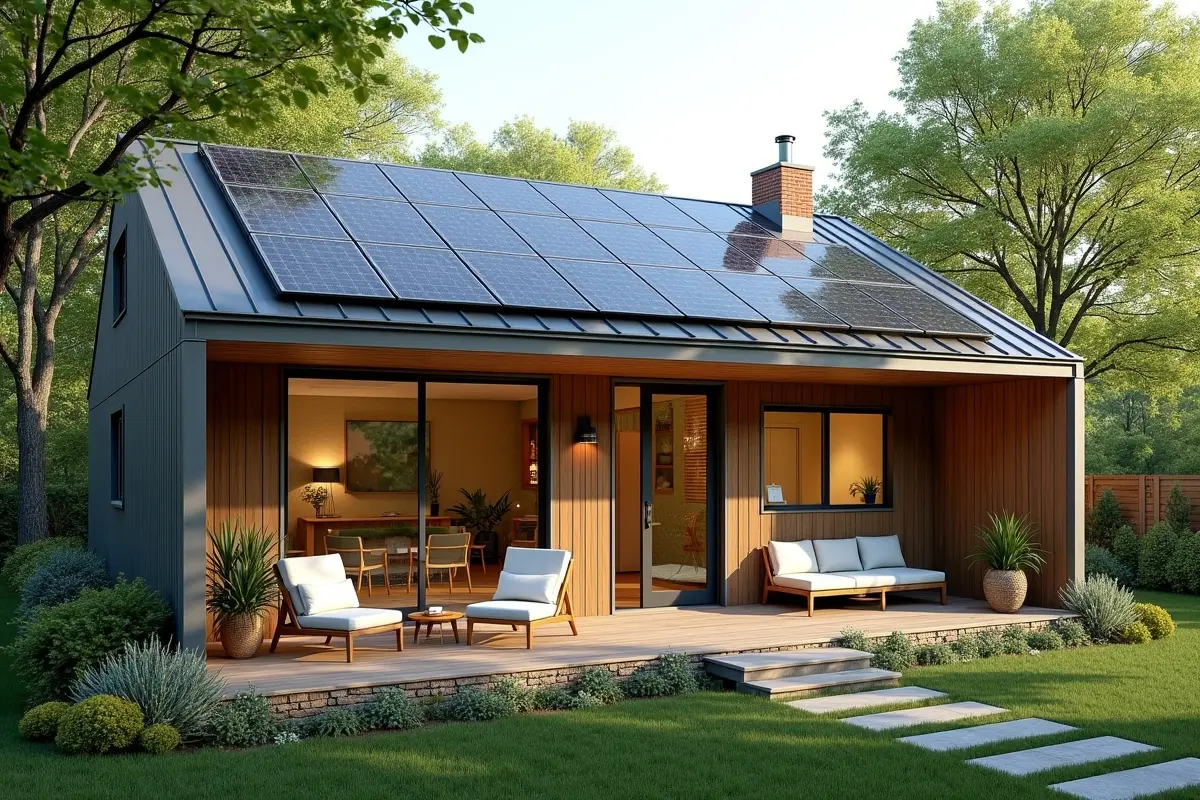
Solar panels, rainwater harvesting, and advanced HVAC systems are also becoming mainstream as homeowners increasingly embrace the cost savings and comfort provided by green building practices. The push for net-zero homes is supported by incentives and innovations that make sustainable technology accessible and desirable.
Reimagined Open Floor Plans
Open floor plans, once the ultimate in contemporary living, are evolving to balance openness with practical usability. Homeowners value the sense of space that an open design offers, but post-pandemic realities have highlighted the need for privacy and distinct areas within the home.
Creative solutions include partial walls, sliding doors, or changing flooring materials to subtly mark divisions without sacrificing airiness. Built-in storage, nooks, and multifunctional zones are often incorporated into new home designs to create a space that feels both expansive and organized.
Integration of Smart Home Technologies
Technology now touches virtually every part of the residential experience. From voice-activated lighting to integrated security and health monitoring, the smart home revolution is well underway. Devices such as smart thermostats, wireless speakers, and energy management systems not only enhance convenience but can also significantly lower utility costs.
As outlined in a CNET report, the expansion of IoT devices has increased demand for homes that can seamlessly accommodate rapid advancements in smart technology while remaining easy to update as future innovations emerge.
Outdoor Living Spaces
As indoor and outdoor living blur, homeowners are prioritizing patios, decks, and landscaped yards as natural extensions of their daily environments. Popular elements include outdoor kitchens, covered lounges, wellness gardens, and even fitness spaces. This evolution reflects a desire to maximize usable square footage while making the most of nature, fresh air, and sunlight.
Proper lighting, weather protection, and connectivity are now crucial to creating versatile outdoor spaces that are as comfortable and functional as the indoors.
Embracing Simplicity
Amid economic uncertainties and changing lifestyles, more homeowners are opting for simple, uncluttered home aesthetics. Designs that emphasize clean lines, limited material palettes, and effortless transitions between rooms create an atmosphere of calm and order.
The appeal of minimalism lies in both its timeless style and its contribution to easier maintenance and reduced ongoing costs. This trend is expected to deepen, especially as families prioritize affordability and resilience in their home investments.
Conclusion
The major custom home trends shaping residential design in 2026 offer a compelling look into the future of how we live. With an emphasis on personalization, functionality, environmental consciousness, and integrated technology, today’s homes are built to reflect and support the diverse needs of their residents. Embracing these trends ensures that homes remain inviting, sustainable, and adaptable for years to come.
As these changes take root, homeowners and builders alike can expect to see lasting improvements not only in aesthetics and comfort but also in health, well-being, and long-term value.