
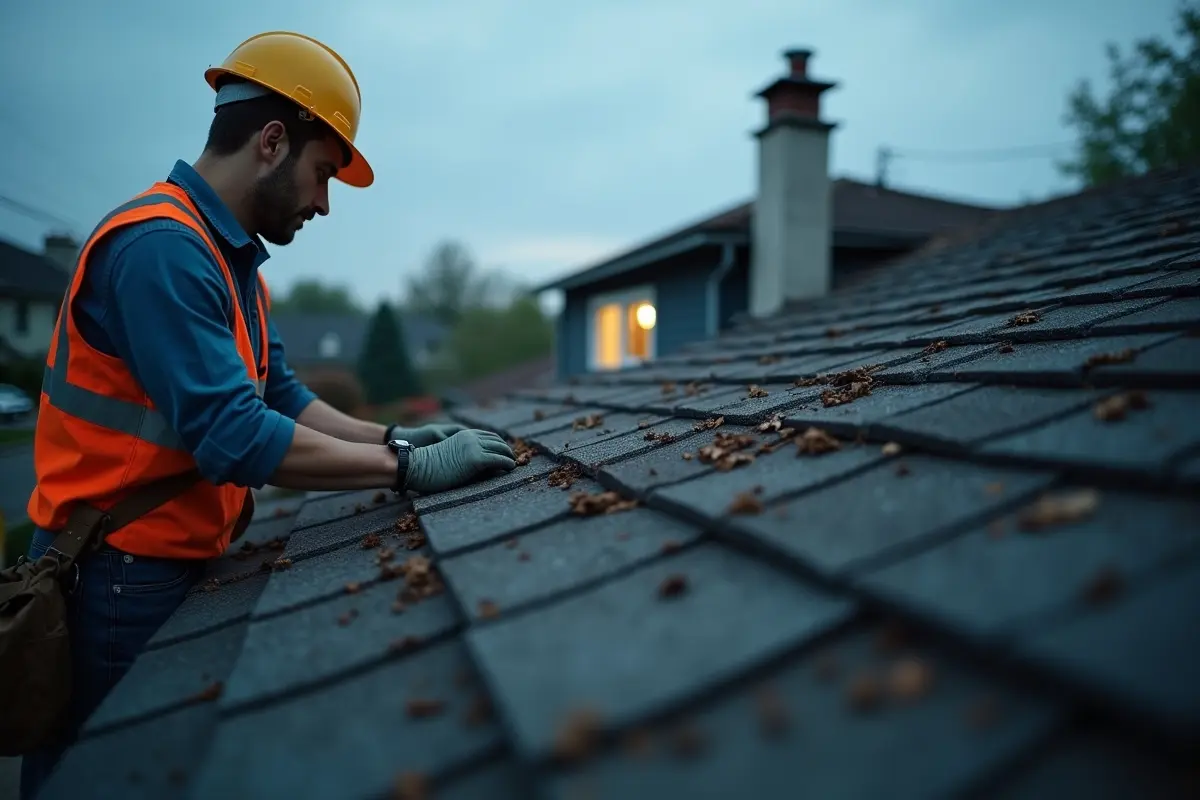
What to Check Before Hiring a Roofer in Greensboro, North Carolina
Greensboro homeowners rely on their roofs to manage heavy rain, wind, summer heat, falling limbs, and seasonal temperature changes. Whether the issue is a small leak, missing shingles, or a roof approaching the end of its service life, a careful hiring process can help prevent avoidable problems.
When comparing a roofer, focus on clear documentation, appropriate coverage, a detailed scope of work, and straightforward answers. The goal is not simply to find the lowest price, but to understand what work is proposed and who is responsible for completing it.
Why the Hiring Decision Matters
A roof is a system, not just a layer of shingles. Flashing, underlayment, ventilation, edges, valleys, and drainage all affect how water moves away from the home. Incomplete work or poorly explained repairs can leave homeowners with recurring leaks, damaged decking, or moisture problems that are harder to identify later.
When to Call a Roofer
Arrange a professional assessment if you notice ceiling stains, loose or missing shingles, cracked flashing, sagging areas, granules in gutters, or visible damage after wind, hail, rain, or a fallen branch. Avoid climbing onto a steep, wet, or visibly damaged roof. A ground-level review, attic check, and professional inspection are safer ways to begin.
Credentials and Insurance
Homeowners comparing roofing companies should ask for the legal business name, license number when applicable, proof of general liability insurance, and information about workers’ compensation coverage. It is also reasonable to ask who will perform the work and whether subcontractors will be used.
For larger projects, use the state’s contractor license search to verify the business or qualifying individual. In North Carolina, a general contractor license is required for projects valued at $40,000 or more, but license status is only one part of a careful screening process. Review recent references, photos of comparable work, and the contractor’s written proposal as well.
What an Inspection Should Cover
A useful inspection looks beyond the most obvious damaged shingle. Ask whether the assessment includes the roof covering, flashing at chimneys and vents, penetrations, valleys, roof edges, gutters, attic moisture, and ventilation. The inspector should explain which issues need prompt repair, which can be monitored, and what may have caused the damage.
Ask for Clear Documentation
Photos can be especially helpful for areas that cannot be safely seen from the ground. A homeowner should be able to understand the condition found, the recommended repair or replacement, and any uncertainty that may require further evaluation after materials are removed.
How to Read a Roofing Estimate
A complete estimate should state the work to be performed and the materials included. It should identify the roofing product, underlayment, flashing, ventilation components, tear-off and disposal, labor, anticipated schedule, cleanup expectations, and warranty terms. If permits may be required, the estimate should clarify who will obtain them.
For major work, compare multiple written estimates with similar scopes. A lower total may reflect fewer included components, less tear-off work, different materials, or exclusions that could later become added costs. The contract should also explain how hidden damage and change orders will be documented and approved.
Questions to Ask Before Hiring
- How long have you worked on roofs similar to mine?
- Who will supervise the project each day?
- Will employees, subcontractors, or both perform the work?
- How will landscaping, vehicles, and outdoor areas be protected?
- What happens if damaged decking or other hidden conditions are found?
- How will old materials and nails be collected and removed?
- What weather conditions could delay the schedule?
- What does the workmanship warranty cover, and how is a future concern reported?
Warning Signs to Notice
Red flags do not automatically prove that a contractor is unqualified, but they deserve closer attention. Be cautious when someone pressures you to sign immediately, refuses to provide written terms, asks for full payment before work begins, cannot explain insurance coverage, or offers a price far below every comparable bid. Do not sign blank forms or documents you have not had time to read.
Storm Damage and Insurance
After severe weather, photograph visible damage from a safe location, make reasonable temporary repairs to limit further water entry, and save receipts. Contact your insurer before authorizing major permanent repairs if you intend to make a claim. The North Carolina Department of Insurance advises homeowners to be alert to unsolicited roofing offers after storms, obtain written estimates, and avoid contracts signed under pressure.
Keep copies of photos, messages, estimates, claim information, receipts, and approved change orders. Insurance coverage and claim requirements depend on the policy, so homeowners should direct coverage questions to their insurer or agent.
What to Expect During Work
Roofing projects can involve deliveries, noise, vibration, dust, temporary access restrictions, and weather-related delays. Old materials may reveal concealed decking damage once removed. If additional work is needed, the reason, cost, and schedule impact should be explained before proceeding, and the change should be documented in writing.
Final Checks Before Payment
Before final payment, walk around the property and confirm that the agreed work appears complete. Review visible roof lines, flashing, vents, valleys, gutters, and cleanup. Ask for completion photos as needed, then collect the final invoice, permit records (if applicable), warranty information, and instructions for future service requests.
Conclusion
Hiring a roofer in Greensboro requires more than choosing a name from a search result or accepting the first available bid. Careful verification, a thorough inspection, a detailed written agreement, and a documented final review can help homeowners make an informed decision and protect one of the home’s most important systems.