
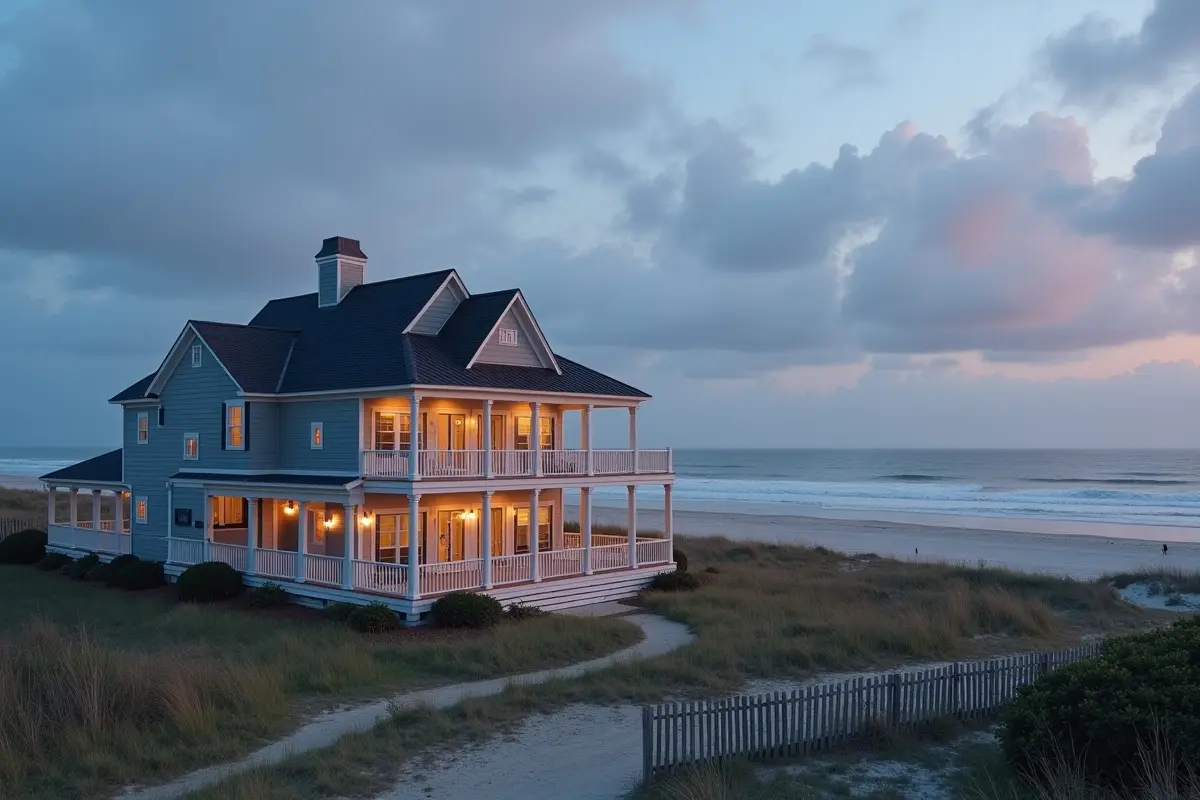
The Coastal Home Buyer’s Cost Check: Flood Risk, Insurance, HOA Fees, And Resale In Orange Beach, Alabama
Orange Beach offers the waterfront views, boating access, beaches, and condominium communities that draw buyers to Alabama’s Gulf Coast. Those benefits also make it important to look beyond the listing price. A careful purchase decision accounts for what it may cost to own, protect, maintain, insure, and eventually resell the property.
For buyers sorting through those local considerations, Orange Beach, AL real estate agent Matthew Welch works with RE/MAX Paradise, a Gulf Coast brokerage serving Orange Beach, Gulf Shores, Perdido Key, and nearby communities. The RE/MAX Paradise website provides property-search tools, local area information, and market guidance that can help buyers compare homes and condos while keeping ownership costs in view.
1. Why The Listing Price Is Not The Full Cost
The monthly mortgage payment is only a starting point. Buyers should build a broader budget that includes principal and interest, property taxes, homeowners’ insurance, possible flood insurance, wind or named-storm coverage, HOA or condo fees, utilities, maintenance, and storm preparation.
Consider two fictional Orange Beach properties. Home A costs less to buy, but has an older roof, a higher insurance quote, limited HOA reserves, and a larger storm deductible. Home B has a higher purchase price, yet its newer roof, stronger association finances, and lower estimated insurance cost may make its annual carrying costs easier to manage. Written quotes and records are more useful than assumptions.
2. How Insurance Changes The Buying Decision
Standard homeowners’ policies commonly treat flood damage separately, so buyers should confirm exactly what each policy covers before relying on a single premium estimate. Compare homeowners coverage, wind and hail terms, named-storm deductibles, flood coverage, exclusions, and the amount the owner would pay before insurance contributes.
Percentage deductibles deserve special attention because the out-of-pocket amount can be tied to the dwelling coverage limit rather than a small flat dollar figure. Request insurance quotes before the inspection deadline, then ask the lender which policies and coverage amounts are required for the loan.
Buyers can use the FEMA Flood Map Service Center to review flood-map information for a specific address, but the map should be one part of a broader property review rather than the entire decision.
3. How To Review Flood Risk Before An Offer
A flood zone does not answer every practical question about a home. During a showing and due-diligence period, review elevation documentation when available, drainage around the structure, the route to and from the property during heavy rain, nearby canals or open water, and visible signs of prior water intrusion.
Quick Showing Checklist
- Look for grading that directs water away from the building.
- Ask whether the seller knows of prior flood, wind, or water damage.
- Review repair invoices, permits, and insurance information if provided.
- Check ground-level enclosures, storage areas, and exterior mechanical equipment.
- Ask how parking, access roads, and common areas perform during severe weather.
A property can have no known prior loss and still face future exposure. The goal is not to predict every event. It is to understand the home’s design, surroundings, and available financial protection.
4. What HOA Fees May Reveal
For condos and planned communities, HOA dues can cover services that would otherwise be the owner’s direct responsibility. Depending on the community, those expenses may include exterior upkeep, roof work, painting, elevators, landscaping, pools, storm shutters, common-area repairs, and master insurance.
Before closing, request the association budget, recent meeting minutes, governing documents, insurance information, reserve details, and notice of any approved or proposed special assessments. A low monthly fee is not automatically a bargain if major repairs are approaching and reserves appear limited. Conversely, a higher fee may include services or funding that reduce separate owner expenses.
5. Inspection Items That Matter Near The Coast
Choose a licensed inspector with coastal-property experience and obtain repair estimates for significant findings. Salt air and moisture can be hard on exterior metal, fasteners, railings, HVAC equipment, doors, windows, and exposed electrical components.
Pay close attention to roof age and fastening, attic ventilation, exterior openings, foundation or support structure, moisture intrusion, corrosion, drainage, plumbing, electrical panels, and HVAC condition. A specialist evaluation may be worthwhile when an inspection identifies a material concern outside the inspector’s scope.
6. How Risk Can Affect Resale Value
Future buyers are likely to ask many of the same questions you ask today. Resale may be supported by a documented roof replacement, storm-rated improvements, available elevation information, clear maintenance records, healthy HOA reserves, and a property that remains practical to insure and finance.
Water proximity alone does not determine long-term appeal. A buyer considering Orange Beach should also weigh location, condition, building management, access, rental rules where applicable, and the ease of explaining the property’s strengths and costs to the next owner.
7. A Simple Coastal Home Cost Comparison
- Home A: Lower purchase price, older roof, higher estimated flood premium, larger wind deductible, and limited HOA reserves. Its initial price is attractive, but replacement and assessment risk may need a larger cash cushion.
- Home B: Higher purchase price, recently updated roof, lower estimated insurance cost, smaller deductible, and better-funded HOA reserves. Its upfront cost is higher, but recurring expenses may be more predictable.
The better value depends on real insurance quotes, inspection findings, financing terms, and association documents. The lowest listing price is not always the lowest-cost ownership path.
8. Questions To Ask Before Closing
- Has the property experienced flood, wind, or storm damage?
- Which insurance policies are currently carried, and what are the deductibles?
- Is flood insurance required by the lender?
- When was the roof installed or replaced?
- Are open permits, unresolved repairs, or known drainage issues present?
- Has the HOA approved, discussed, or anticipated a special assessment?
- How much money is held in reserves, and what major projects are planned?
- Would the home still fit the budget if insurance or maintenance costs rise?
Final Thoughts
Coastal ownership can be deeply rewarding, especially in a community built around the water and outdoor living. The strongest buying decision comes from reviewing the complete financial picture before making an offer. Compare insurance, flood exposure, HOA strength, maintenance needs, financing, and future resale demand so the property fits both the lifestyle you want and the long-term budget you can support.