
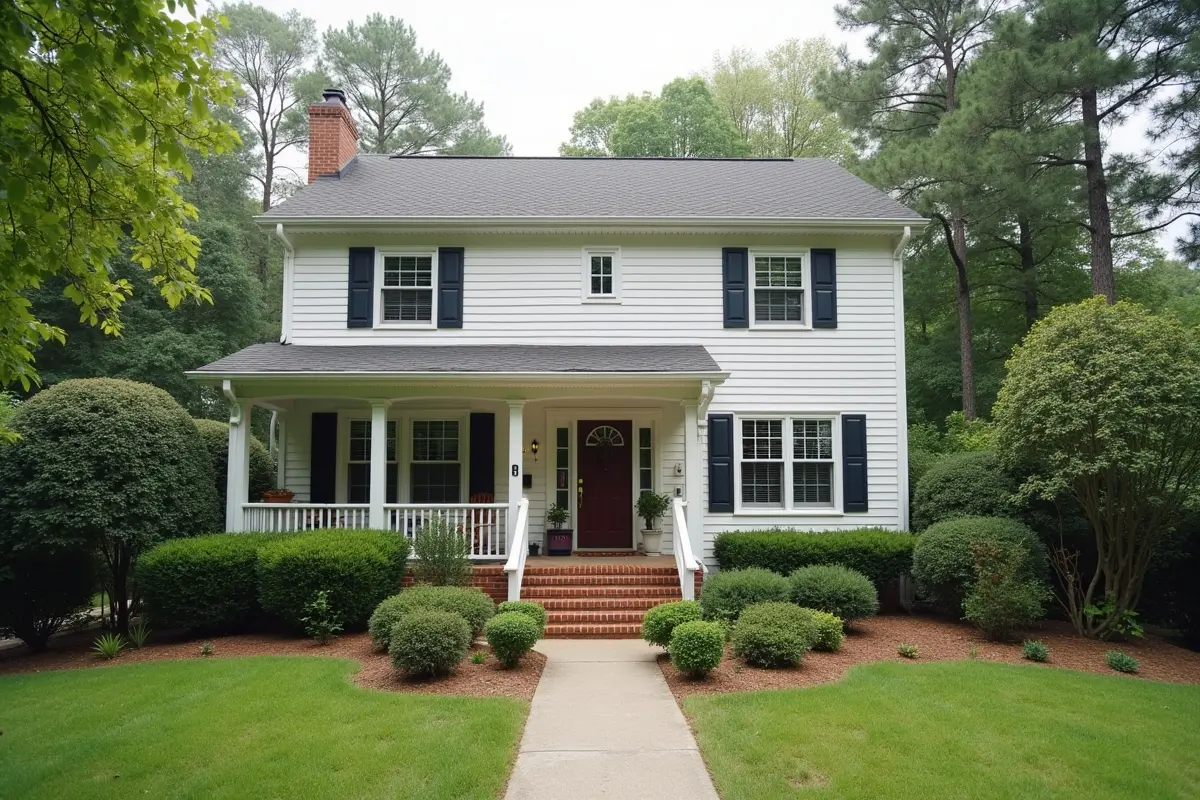
A Calm 30-Day Plan for Selling a Sandy Springs, Georgia Home
Selling a home can feel overwhelming when pricing, repairs, cleaning, paperwork, photography, showings, and moving all compete for attention. A 30-day plan breaks the process into manageable decisions, helping Sandy Springs homeowners move forward without trying to solve every detail at once.
For a neighborhood-specific perspective, homeowners can speak with Sandy Springs GA real estate agent Lindsay Levin. The Lindsay Levin Team publishes Atlanta-area home buying, selling, valuation, and neighborhood guidance, with service areas including Sandy Springs, Buckhead, Brookhaven, Dunwoody, Alpharetta, and Roswell. Lindsay Levin’s background as a former commercial real estate attorney also brings relevant experience in contracts and negotiation to a seller’s planning process.
Days 1 to 3: Define What a Successful Sale Looks Like
Start with the outcome, not the listing date. Decide whether your priority is maximizing price, selling quickly, choosing a flexible closing date, or simplifying a move. Write down deadlines tied to a job relocation, school calendar, purchase of another home, lease expiration, inherited property, or downsizing plan.
Review your estimated mortgage payoff and begin a rough seller net sheet. Include likely brokerage compensation, repair costs, buyer concessions, taxes, attorney fees, and moving expenses. The goal is not a perfect forecast. It is knowing which offer terms would realistically support your next step.
Days 4 to 6: Build a Price Range Buyers Can Understand
Your original purchase price and the amount you need from a sale do not determine current market value. A useful price range begins with recently sold homes that are similar in location, size, lot, age, condition, layout, and updates. Then compare active listings, because those homes are the alternatives buyers can tour right now.
In Sandy Springs, distinctions can matter even between nearby properties. Parking, a finished lower level, outdoor living areas, road exposure, renovation quality, access to daily destinations, and the character of a particular subdivision can shape buyer perception. Price the home based on persuasive comparisons, not on the highest number found online.
Days 7 to 10: Make Repairs That Reduce Buyer Anxiety
Separate urgent repairs from optional improvements. Give priority to water intrusion, roof concerns, heating and cooling problems, electrical issues, safety hazards, and obvious deferred maintenance. These items can concern buyers, complicate inspections, or create appraisal questions.
Use a practical test before starting a project:
- Will this issue make a buyer hesitate?
- Could it affect an inspection, financing, or appraisal?
- Can it be completed well before the listing goes live?
A costly redesign is not always the right answer, especially if it exceeds what buyers expect in the immediate price range. When a home has older systems or an uncertain repair history, a pre-listing inspection may help identify surprises early enough to address them thoughtfully.
Days 11 to 17: Prepare the Home and Its Online First Impression
Declutter and Stage for Function
Buyers should be able to see how each room works. Remove excess furniture, personal collections, oversized décor, and stored items that make closets or rooms feel smaller. Put special attention on the entry, kitchen, living areas, primary bedroom, bathrooms, and outdoor spaces. Simple home staging basics can include better lighting, fresh towels, neutral bedding, cleaned windows, and refreshed mulch rather than a complete redesign.
Check the Listing Details
Many buyers first encounter a home through photos, video, maps, and property details. Use bright, accurate photography that shows flow and scale. Confirm square footage, bedroom and bathroom counts, parking, included appliances, renovation dates, and HOA or condominium information. A floor plan, video, virtual tour, or twilight photos can be useful when they clarify features that standard photos cannot show.
Days 18 to 23: Organize Records and Make Showings Easier
Collect repair receipts, warranties, permits, surveys, roof records, termite treatment documents, and information about major improvements. Make a clear list of known defects and prior damage so disclosures can be completed honestly. Unresolved permit, boundary, lien, or title questions can create delays later in the transaction.
Be alert for suspicious solicitations and wire fraud. Georgia consumer guidance warns that title theft can involve someone impersonating an owner to sell or borrow against property. Verify unexpected requests independently, and confirm wire instructions directly with the closing attorney using a trusted phone number.
Next, make the exterior and access feel easy to use. Clean the front walk, porch, driveway, exterior lights, and visible windows. Trim overgrowth, refresh planting beds, secure valuables and medications, and address pet odors. Reasonable showing windows help buyers visit promptly while still respecting daily routines.
Days 24 to 27: Market Deliberately and Evaluate Offers Carefully
Match the marketing plan to the home, price point, and likely buyer. Broad online exposure can work alongside private showings, agent-to-agent communication, broker previews, and open houses. Track early feedback, not just online views. Repeated comments about the condition, price, or layout may indicate a change worth considering.
When offers arrive, the highest price is not automatically the strongest. Compare each offer’s financing, earnest money, due diligence period, inspection terms, appraisal exposure, closing date, seller-paid costs, and contingencies. For example, a slightly lower offer with stronger financing, fewer contingencies, and a closing date that fits your move may produce a more reliable outcome than a higher but fragile offer. Review contract questions with qualified real estate and legal professionals as needed.
Days 28 to 30: Prepare for Closing and Launch Confidently
Keep utilities on and make mechanical systems, attics, crawl spaces, and storage areas accessible for inspections and appraisal. Save receipts for completed work. If an appraisal comes in below the contract price, the parties may renegotiate, provide stronger comparable sales, adjust the buyer’s cash contribution, or follow the contract’s appraisal provisions.
Before closing, review your anticipated costs, including the Georgia real estate transfer tax, with the closing attorney or tax professional. On the final pre-listing day, confirm the price and launch date, review every public detail, finish cleaning, test lights and locks, prepare your records folder, and make a moving plan for the first week under contract.
Common Questions From Sandy Springs Sellers
Should I repair everything before listing?
No. Focus first on safety, water, system, and maintenance issues that could worry buyers. Personal design preferences often deserve less investment.
Is professional staging always necessary?
No. A clean, uncluttered, well-lit home may need only modest adjustments. Larger or higher-priced homes may benefit from a more detailed presentation plan.
What is the biggest seller mistake?
Pricing based on hope, an old neighborhood sale, or personal financial needs can weaken early interest. Preparation, accurate pricing, clear communication, and careful contract review give sellers more choices from the start.
Conclusion
Selling a Sandy Springs home becomes more manageable when preparation is organized into clear steps. By setting goals, pricing realistically, addressing important repairs, preparing the property, organizing records, and carefully reviewing offers, homeowners can approach the sale with greater confidence. A structured 30-day plan can help reduce delays and support a smoother transition to the next move.