
A Practical Home Plan For Keeping Texas Summer Pests Outside
Texas summers create the kind of heat, humidity, dry spells, and sudden rain that can send pests in search of water, shade, food, and shelter. A consistent prevention plan is usually more effective than reacting after pests move indoors. Homeowners who need help evaluating recurring activity can also turn to Romney Pest Control for practical support tailored to the property.
The goal is not to make a yard completely insect-free. It is to make the home less accessible and less appealing to pests. Small repairs, cleaner storage habits, moisture control, and a short weekly inspection can reduce the conditions that allow a minor issue to become a larger one.
Why Summer Brings More Pest Activity
Warm conditions can increase insect movement, feeding, and breeding. During a hot stretch, pests may follow moisture toward a dripping hose bib, a shaded garage, a utility room, or a kitchen. Rain can create temporary standing water, while drought can push pests toward irrigated landscaping and indoor plumbing. Open doors, torn screens, and small gaps around pipes create easy entry points for outdoor pressures.
Neighborhood conditions matter, too. Construction, nearby vegetation, standing water, and weather changes can affect one block differently from the next. For example, a clogged gutter may seem minor until a humid week creates moisture near the roofline and draws insects near vents and windows.
Common Texas Summer Pests To Watch For
Most sightings are manageable when addressed early. Ants often follow food trails or moisture through cracks near doors and windows. Cockroaches favor protected spaces with water, food residue, and clutter. Flies are drawn to trash, pet waste, and food scraps, while wasps may build nests beneath eaves, around rooflines, and near outdoor structures.
Mosquitoes require water to reproduce, and homeowners should remember that adults can live both indoors and outdoors. Mosquitoes that bite people and animals can also create health concerns in some circumstances, so removing standing water is an important part of routine yard care. Spiders and scorpions are often found around sheltered gaps, woodpiles, clutter, and areas where other insects are available as prey.
Seal The Small Openings Pests Use
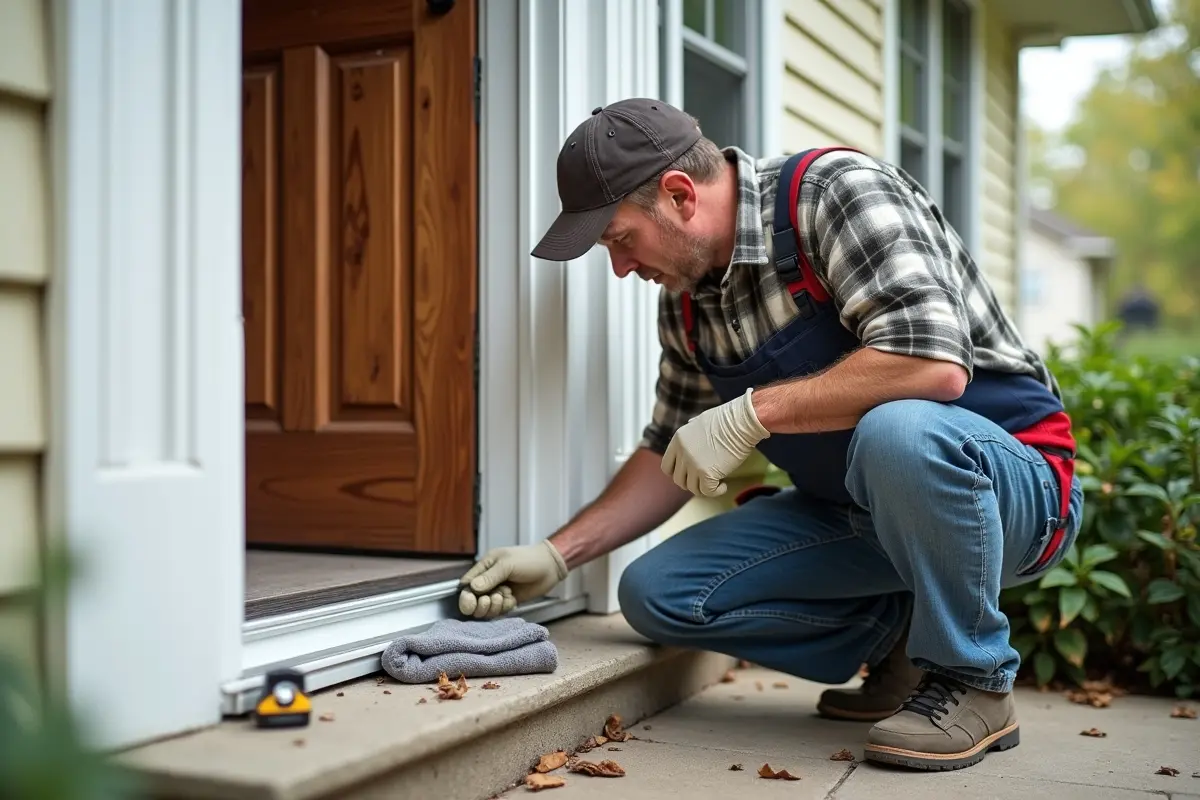
Exclusion is one of the most useful first steps because pests do not need a large opening to enter. Walk around the home in daylight and inspect gaps around doors, windows, plumbing lines, utility connections, vents, and the garage door. Also check for foundation cracks, loose weatherstripping, damaged screens, and roofline openings.
- Look for visible daylight beneath exterior doors and around frames.
- Mark cracks or gaps with removable tape so repairs are not missed.
- Replace worn door sweeps and repair torn window screens.
- Use the appropriate caulk, mesh, or sealant for the opening.
- Recheck repaired areas after heavy rain or home maintenance work.
Remove Moisture Around The Home
Persistent moisture gives many pests a reason to remain close to the structure. Repair leaking faucets and pipes, empty containers that collect rainwater, and keep gutters clear. Downspouts should direct water away from the foundation, while low spots in the yard may need improved drainage.
Check shaded areas, crawl spaces, garages, utility rooms, and beneath outdoor equipment. Damp conditions can support mosquito activity and may also attract insects or rodents seeking water and cover.
Cut Off Food And Shelter Sources
Indoor Habits
Wipe counters after meals, store dry goods in sealed containers, rinse recyclables, and clean crumbs beneath appliances. Keep pet food covered when it is not in use, and remove food waste before it sits for days. These small habits interrupt the food trails that can bring ants, roaches, and flies inside.
Outdoor Habits
Keep trash cans closed, move firewood away from the home, and remove damp leaf piles, branches, and unused materials. Trim plants that touch walls, windows, or rooflines. After a backyard barbecue, clean up drink spills, dispose of food scraps, and empty full trash bags promptly. Uncovered food and overflowing bins can attract ants, flies, and wasps surprisingly quickly.
Use A Simple Yard Maintenance Checklist
Regular maintenance reduces hiding places and makes changes easier to notice. Each week, walk the foundation and look for webs, insect trails, mud tubes, cracks, or unusual activity. Check shaded soil for pooled water, trim branches and shrubs away from the house, and remove unused pots, boards, boxes, and other clutter.
Inspect outdoor lights, doors, patio furniture, sheds, and storage areas as well. Keeping brief notes or photos of repeated activity can help identify whether a problem is isolated or expanding.
Choose Pest Products Carefully
Prevention should come before chemical control whenever possible. Identify the pest before selecting a product, use only products labeled for that pest and location, and follow application directions exactly. The instructions on a pesticide label explain how to use, store, and apply the product more safely.
- Use only the listed amount, not extra product.
- Keep children and pets away from treated areas as directed.
- Do not mix products unless the label specifically permits it.
- Favor targeted baits, traps, or crack-and-crevice treatments over broad indoor spraying when appropriate.
- Store products in their original containers and away from food.
Know When A Pest Problem Is Growing
One pest does not always mean an infestation, but a pattern deserves attention. Watch for repeated sightings in the same room, fresh droppings, shed skins, unusual odors, damaged food packaging, new nests, or simultaneous activity in several rooms. Daytime sightings of pests that typically stay hidden can also be a warning sign.
Avoid disturbing unknown nests or handling pests that may sting, bite, or create health risks. Ask for professional guidance when the pest is difficult to identify, visible damage is increasing, or basic prevention steps do not reduce the activity.
Build A 15-Minute Weekly Pest Check
- Minutes 1 to 3: Check doors, screens, and visible foundation gaps.
- Minutes 4 to 6: Inspect trash, pet bowls, and outdoor eating areas.
- Minutes 7 to 9: Look for standing water around gutters, pots, toys, and equipment.
- Minutes 10 to 12: Check wood piles, sheds, shaded clutter, and storage spaces.
- Minutes 13 to 15: Clean one problem area and record anything unusual.
Common Questions About Summer Pest Prevention
Why Do Pests Enter A Home During Hot Weather?
They may be looking for shade, water, food, shelter, or an easy route through a small opening.
Does One Pest Mean There Is An Infestation?
Not necessarily. Repeated sightings, physical evidence, and activity across multiple areas are more meaningful clues.
How Often Should A Homeowner Inspect The Property?
A quick weekly check works well during peak summer activity, with a closer inspection after storms, drought, or repairs.
Are Natural Repellents Always Safe?
No. Natural ingredients and homemade mixtures can still affect children, pets, plants, and indoor air quality.
When Should A Homeowner Ask For Help?
Get help when nests are active, pests are difficult to identify, bites or stings occur, damage is visible, or prevention efforts are ineffective.
Final Takeaway
Summer pest prevention is most effective when it becomes a series of small routines. Seal entry points, reduce moisture, protect food, clear outdoor shelter, and spend 15 minutes each week inspecting the property. Those practical habits can keep a Texas home far less inviting to unwanted pests throughout 2026.